| Type of Wine |
Chile Red
: Whether you prefer the potency of an elegant Cabernet Sauvignon, the seductive appeal of Syrah, or the compelling puzzle of a top-notch Pinot Noir, Chile has more to offer than you can even imagine. Their wines are more than eloquent when it comes to terroir expression, and they paint these varietals in a heavenly light.
|
| Country |
Chile
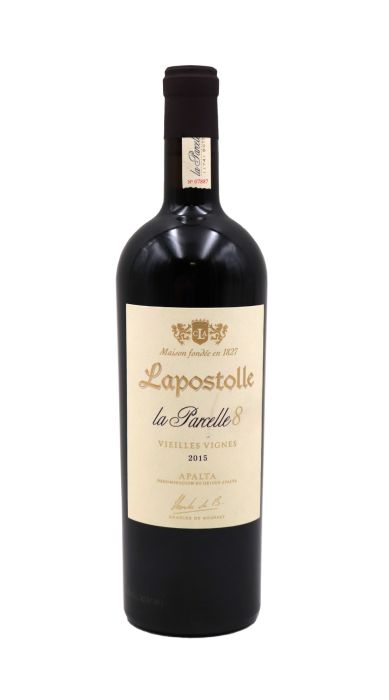
: Each winegrowing country tends to have a signature grape variety; one that is both beloved by local vintners and one that usually tells a story. Chile is no exception; its key grape is of French origin and one that was considered extinct. Carmenere was thought to have been completely destroyed after the phylloxera outbreak in the 19th Century, but was rediscovered in Chile in the 1990s. It was a major stroke of luck as it has completely re-invigorated the Chilean wine industry. Chile is one of South America’s most important wine producing countries and is often associated with good-value wines. In the last few decades it has become well known for its world-class reds, commanding attention and top-dollar pricing. Names such as Almaviva, Concha y Toro and Casa Lapostolle have become globally recognized, fueling the country’s economy and it’s already thriving wine industry.
Today, the Bordeaux varietal excels in its adopted home and its wide range of terroirs. Since the 1990’s Chilean producers have adapted their vinification methods and extended the ripening period. This has greatly increased the quality of the fruit and the wine produced. Carmenere featured in blends and single variety bottling is continuing to gain traction on the world market. Chile is no “one-trick pony” however, and has made huge strides in competing on the world-level. Bordeaux varieties of Cabernet Sauvignon and Merlot have always been mainstays, while Malbec, Petit Verdot, Cabernet Franc and Malbec have been a supporting cast. Pinot Noir from the cooler parts of Chile is beginning to make an impression and Syrah is increasing in popularity in many wine producing regions. White wine plantings are led by Chardonnay, Sauvignon Blanc, Viognier, Riesling and Semillon, expanding not only the quantity of varietals cultivated, but also many different stylings. This, of course, could not be possible without Chile’s vast array of micro-climates and terroirs.
Chile’s topography is very favorable to viticulture and despite the fact that the country is only 100 miles wide, it does spans 2,700 miles of land running north-south. The thin strip of land is situated between the Pacific Ocean and the Andes Mountains which creates an array of climatic variations. The growing regions are greatly influenced by the Pacific and the Antarctic Humboldt currents, which brings cooling breezes to coastal vineyard, while the sheltering presence of the coastal mountain range makes Chile’s Central Valley relatively warm and dry. The high altitudes of the Andes provides a temperate climate in many places that may be otherwise considered hot and arid, but even more importantly, the melt water supplies natural irrigation, supplying the many regions in the foothills with a much needed water source.
Chile’s location between the Pacific Ocean and the forbidding barrier of the Andes has allowed the country to be spared from phylloxera. It is ironic that a Bordeaux varietal that was nearly exterminated in Europe, survived this world-wide epidemic, only to help revive its protective host’s viticultural industry. Today, Chile has 194,000 hectares under vine, with an annual wine output of 10.3 million hectoliters, placing it among the top ten wine producing nations in the world.
|