Important Notice

By continuing, you agree to our privacy policy, consent to cookies, and confirm you are 21 or older.

I have read and agree to the Privacy Policy and Terms of Service.

YOU MUST BE 21 OR OLDER TO CONTINUE

NYC, Long Island and The Hamptons Receive Free Delivery on Orders $300+

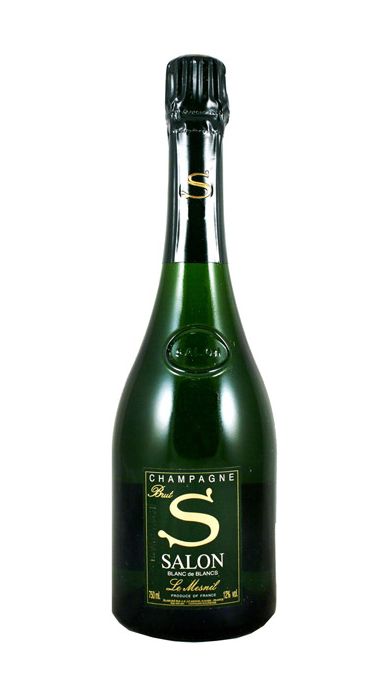
2012 Salon Blanc De Blancs Le Mesnil

99 WE

Critic Reviews

As always, this exceptional Champagne, only released in top vintages, shows its rare qualities. Its poise between texture, acidity, intense aging ability and minerality are so right. It is ready to drink, but that would be a shame, because this wine will age so well. Drink from 2025.

Wine Enthusiast | 99 WE
Back in 2014, Salon’s president Didier Depond was quoted in the press as saying that “since 2008, there has been no genuinely great vintage in Champagne" and that a 2012 from Salon wouldn’t be released. But the just-released 2012 Brut Blanc de Blancs Le Mesnil shows that he had good reason to change his mind, as to my palate this is, after the 2008, the finest Salon produced this millennium. Unwinding in the glass with notes of citrus oil, wet stones, freshly baked bread, white currants and oyster shell, it’s full-bodied, deep and concentrated, with a tightly wound core of fruit, racy acids and an elegant pinpoint mousse. Concluding with a long and resonant finish, this is a structured and powerful Salon that’s a lot more incisive than, for example, the 2002 at the same stage, but which also carries more muscle and substance than a leaner vintage such as 2007. For readers that have balked at the pricing of the magnum-only 2008, the 2012 isn’t far off the latter’s level in quality, and will presumably be distributed more conventionally.

Robert Parker Wine Advocate | 98+ RP
The 2012 Salon pours a pale straw hue and reveals layered aromas that take time to unfold, including delicate lemon curd, a hint of smoke, candied green apple, and very pretty white flowers. The palate is focused and concentrated, with a long spine of energy throughout, offering elegant layers that are all in concert with each other, with salinity, ripe freshness, and the refined texture of the mousse. As it opens, orchard fruits emerge of apricot, croissant, and delicate sherry-like notes of iodine. This is an incredible and timeless wine that will be a pleasure to taste again over the coming decades. Drink 2024-2044.

Jeb Dunnuck | 98+ JD
Gorgeous aromas of cooked apple, bread dough and pie crust. Hints of lemon curd, flint and match stick, too. Full-bodied and dense with agility and beauty, particularly in the center-palate that just lifts at the end. So much density and structure, yet it always remains floating and aerial. Phenolic and integrated at the end. Impressive structure and length. Very drinkable now, but gives the sensation that it will be better in three or four years.

James Suckling | 98 JS
The 2012 Salon is absolutely gorgeous. It offers a beguiling mix of radiance and energy that seems to capture a little bit of elements of some of its older siblings. The expression of fruit is radiant and quite overt, but without reaching the tropical exuberance of the 2006. In shape, the 2012 recalls the mid-weight style of 2007 with the freshness of 2008, but not quite the youthful austerity of that wine. If that sounds like an appealing combination, well it is. The 2012 Salon is all harmony and class.

Vinous Media | 97 VM
The wonderfully fresh, cool and decidedly elegant nose reflects notes of brioche, citrus confit, quinine, Granny Smith apples and a hint of orange peel. There is impressive volume to the rich yet borderline delicate flavors that possess excellent intensity thanks to the firm but wonderfully fine supporting effervescence, all wrapped in a saline and very dry lemon-tinged finish that delivers both outstanding depth and persistence. This is terrific and a wine that could certainly be enjoyed now though even better depth will almost certainly develop with time. Tasted several times in the last 3 years with essentially identical notes.

Burghound | 96 BH
Like white Burgundy with bubbles, this fine-knit version has a spine of vibrant acidity and a minerally oyster shell overtone, with the plush mousse carrying a delicate mesh of yellow plum, pickled ginger, Marcona almond and dried white cherry flavors that lingers on the racy finish. Drink now through 2035. 5,000 cases made, 2,000 cases imported.

Wine Spectator | 95 WS
The 2012 Salon is surprisingly, almost shockingly ripe, forward and open, which I put down to the late summer heat wave. The champagne boasts aromas of ripe apples, acacia flowers, and brioche. The texture is velvety, with a fine mousse, decent acid balance, and a plump, lingering finish. Although this lacks the thrillingly vibrant lemony acidity of some vintages, it compensates with an approachable, round feel that is utterly delicious. The 2012 vintage aged eight years on the lees before disgorging with 4g/L dosage and received another year on the cork before shipping.

Decanter | 95 DEC
Wine Details for 2012 Salon Blanc De Blancs Le Mesnil

Type of Wine Champagne : Nothing like a refreshing, vivacious glass of fine Champagne during a hot summer afternoon. Typically combining Chardonnay, Pinot Noir, and Pinot Meunier, each Champagne house has a distinct style. Whether you want to sample a single varietal (such as the 100% Chardonnay blanc de blancs) or a tasteful blend, no region can compete with Champagne.
Varietal Champagne Blend : The Champagne blend is one of the most distinctive styles of winemaking in the world. This illustrious blend of grape varietals hails from northeastern France, in the winegrowing region of Champagne. The magical combination of varietals perfectly marry to the terroir, climate and topography of the region, creating a sexy, seductive and fascinating sparkling wine that is synonymous with success and celebration.

The primary grape varietals cultivated in Champagne and most used for blending are Chardonnay, Pinot Noir and Pinot Meunier. In fact, there are seven permitted grape varieties in the Champagne AOC (controlled designation of origin) though the other four are so rarely used they are often forgotten (Pinot Gris, Pinot Blanc Petit Meslier and Arbane). The three grape varietals of Chardonnay, Pinot Noir and Pinot Meunier account for about 99% of the region’s plantings. Chardonnay is planted to 10,117 hectares, Pinot Meunier is planted to 10,521 hectares while the most widely planted, Pinot Noir, covers around 12,950 hectares.

Chardonnay brings crisp and refreshing nuances to the effervescent wine blend. When used as a single-variety offering, the wines are named Blanc de Blancs, and account for only around 3% of all Champagne bottlings. Pinot Noir is the staple in Champagne blends and interestingly, is planted in more hectares in Champagne than its ancestral home of Burgundy. It is one of just two allowable red grapes in the region. Pinot Noir brings body and mouth-filling structural texture to the blend. When used as a single-variety its creation is called Blanc de Noirs (white wine made from black-skinned grapes). Pinot Meunier, the other red grape permitted in Champagne brings red berry flavors and balances the overall blend. Though historically a blending grape, 100% Pinot Meunier Champagne wines are becoming increasingly popular.

Champagne has privileged environmental influences that give the wines produced here specific, unique characteristics that are often imitated but never duplicated. Its northern location, rugged climate, distinctive soil type and hillside vineyards makes Champagne terroir the only one of its kind. The first distinguishing factor is that Champagne enjoys a dual climate influenced by oceanic currents and continental winds. The oceanic currents help to keep the temperatures cooler, while the continental influence brings precipitation which are both essential for quality grape production.

Terroir is the second major component to the success of the grapes of Champagne to grow and prosper. It is composed mostly limestone (75%) chalk and marl with a limestone subsoil. The fissured medium provides good drainage, promoting the health and development of the vines. Each soil type is important to the stages of development. The chalk in Champagne consists of granules of calcite formed from fragile marine shells and micro-organisms. This highly porous compound assists in water movement into the root system. The limestone, being less porous allows the right amount of water to be collected while restricting erosion. Marl is just as important and contains highly rich minerals which allows the growth of berries with intense flavors.

The third distinguishing factor is the gift of Champagne’s natural landscape where the rugged and hilly terrain greatly assists in water drainage and root growth. The average gradient is around 12% with some of the slopes reaching grades as steep as 59%. The higher elevations receive greater sunlight than lower elevations at the same latitude. This feature alone creates diverse micro-climates within the region allowing grapes grown in different locations and at different Champagne houses to have unique characteristics.

The varietals of Champagne, the terroir of the region along with the oceanic and continental climatic influences come together to create one of earth’s most breathtaking wine styles. From the many styles and offerings, Brut (dry, raw or unrefined) to rose, vintage to non-vintage, Champagne blends offer to the world a euphoric, effervescent experience that cannot be matched.

Country France : Wine is the lifeblood that courses through the country of France, pulsing with vigorous pride and determination. Viticulture is not just a hobby or an occupation in France; it is a passion, a cherished tradition that has been passed down through generations of wine stained hands. Winemaking is a beloved art that has been ingrained in the culture, an aptitude instilled in sons by fathers and the hallmark for which France’s reputation was built, allowing it to be renowned as, arguably, the most important wine producing country in the world.


For centuries, France has been producing wines of superior quality and in much greater quantity than any other country in the world. It boasts some of the most impressive wine regions, coveted vineyards and prestigious wines on earth. The regions of Bordeaux, Burgundy, Rhone, Sauternes and Champagne have become the benchmark, for which others aspire to become. Legendary producers such as Chateaux Margaux, Domaine De La Romanee Conti, Chapoutier, d’Yquem and Dom Perignon are idolized world-wide.


France has stamped its name on nearly every style of wine, from the nectar-like sweet Sauternes to hedonistic Chateauneuf Du Papes classic Bordeaux and Burgundy, to its sparkling dominance in Champagne. Many of the most infamous grape varietals in the world, such as Cabernet Sauvignon, Merlot, Pinot Noir and Chardonnay originated in France and are not only beloved, but utilized in the creation of some of the greatest wines on earth. French wine production commands the attention of the wine market year after year. With over 860,000 hectares under vine, and numbers close to 50 million hectoliters of wine produced annually, France dominates the market and sets the standard for not only product quality, but also quantity.


France’s many contributions to the world of wine have been absolutely indispensable. The country is the originator of the term “Premier Cru,” coined the term Terroir (a French term so complex there is no literal translation) and has laid the blueprint for a structured appellation system, which others have implemented in their own countries. French vineyard techniques and winemaking practices are mimicked world-wide. California vintners have been replicating Rhone style wines for decades, South America has adopted the French varietal of Malbec and countries around the world are imitating Burgundian styled Chardonnay and Pinot Noir.


With vast diversity in terroir, France is home to some of the most hospitable winegrowing locations on earth. The combination of topography, geology, climate, rainfall and even the amount of sunlight combined with the long historical tradition of winegrowing and making, has allowed the vintners of France to not only hone their skills, but learn from nature to create a product that like the world in which it resides… is very much alive.


Region Champagne : The sharp, biting acidity, cutting through the richness; the explosive force that shatters the bubbles as they rise to the surface; the intense flavor and compelling, lively mouthfeel; these are all hallmarks of a good Champagne. Most wines are made from a combination of Chardonnay, Pinot Noir, and Pinot Meunier, but there are pure-Chardonnay variants and ones that blend only Pinot Noir and Pinot Meunier. As a result, most wines come with a feeling of familiarity, if not nostalgia. Each Champagne house has its own unique style, so different bottles of Champagne may not resemble each other outside of the core varietal strengths. The soil composition of the subregion is characterized by belemnite and chalk, which lets it absorb heat during the daytime and release it at night. This terroir helps create the feeling of airy, playful lightness of fine sparkling wine.

These wines were originally marketed towards royalty, and you can feel a hint of that elusive blue-blood elegance and confidence while drinking one. A good Champagne carries you away like a hurricane carries small debris, and you can feel the powerful life force in each bubble even. The characteristic Champagne "pop" has become a staple at parties and celebrations around the globe - when you hear it, good times are right around the corner.

Overview

Producer Salon

People also bought:

Need Help Finding the right wine?

Your personal wine consultant will assist you with buying, managing your collection, investing in wine, entertaining and more.

loader
Loading...